












 China
China
 Malaysia
 Cambodia
 Singapore
 Hong Kong
 USA
USA
 Mexico
Region/Language


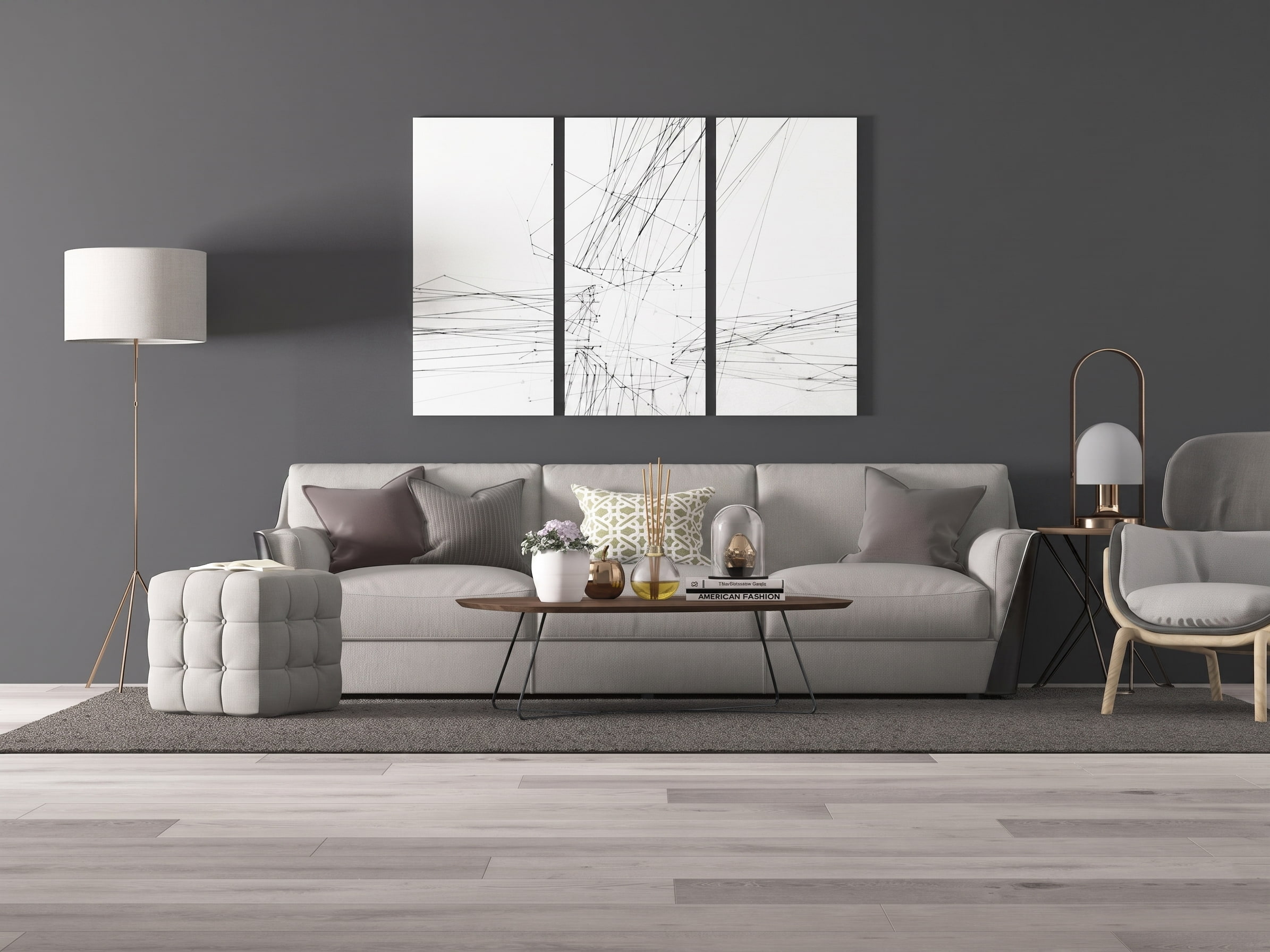
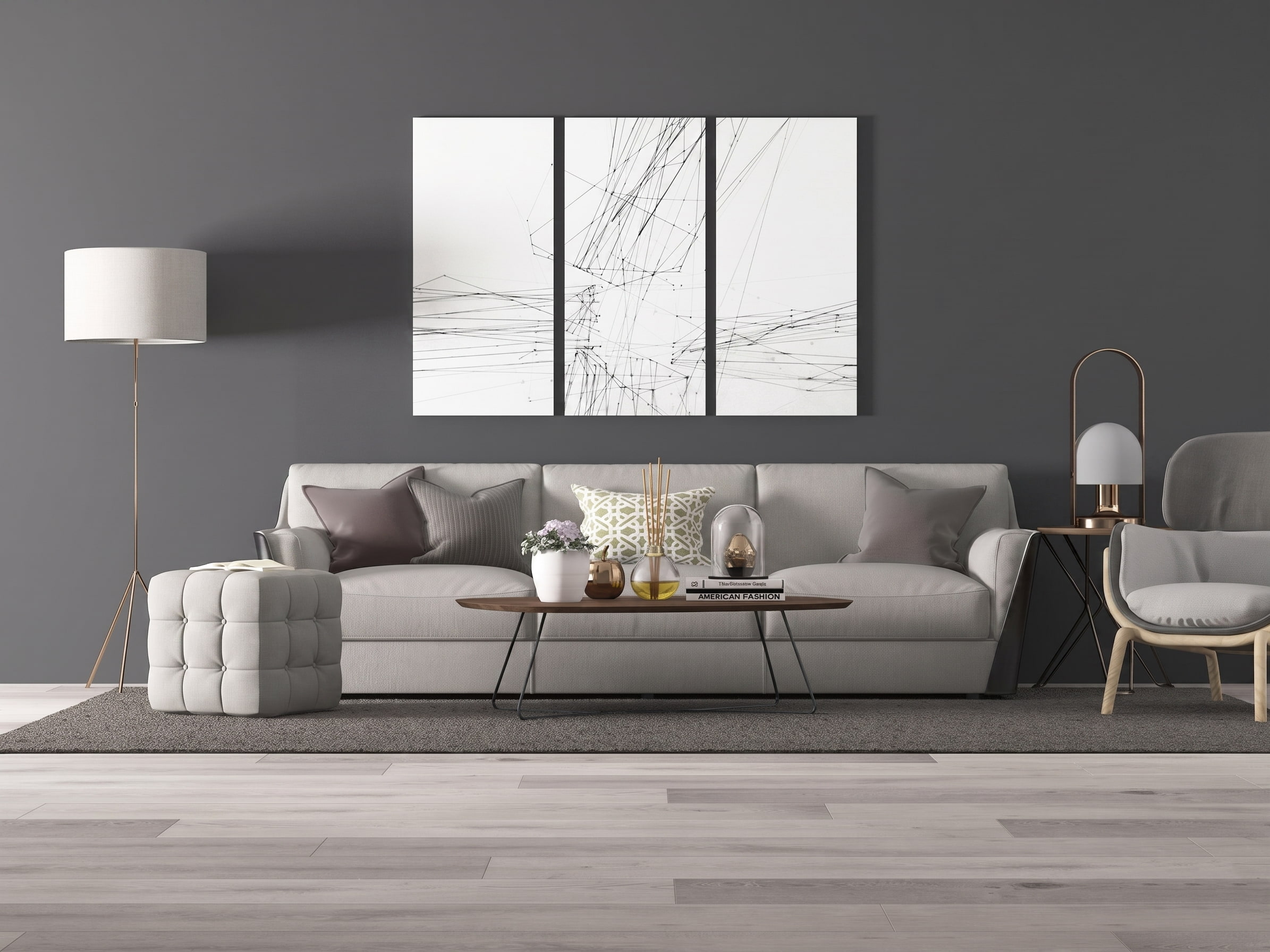
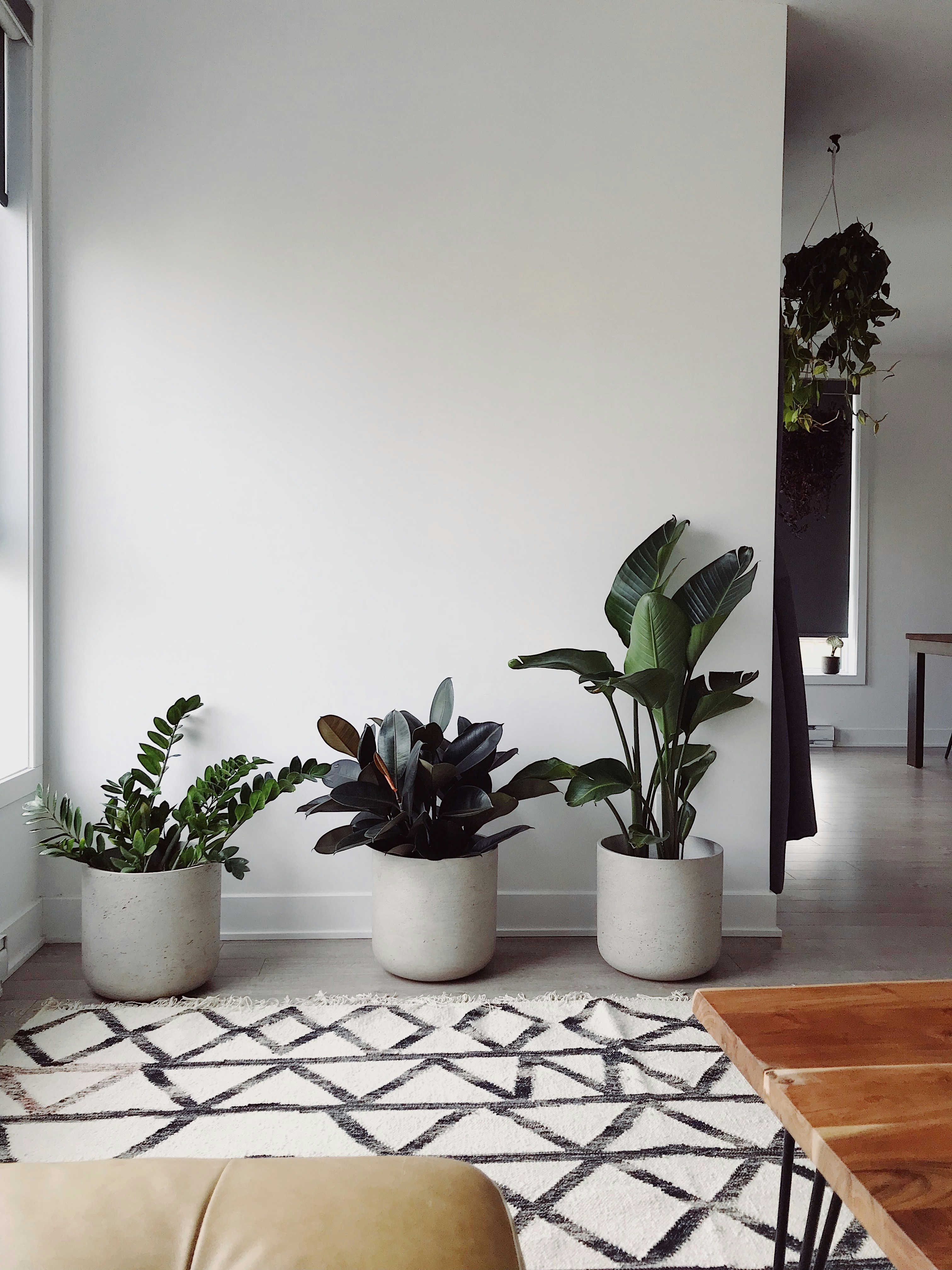
Wall coating is the process of adorning the raw surfaces of a building with an attractive exterior layer. Typically encompassing steps like surface reinforcement, leveling, and paint application, it directly influences the quality of occupants' living experiences. As a result, the quality, functionality, and environmental friendliness of coating products have become focal points for consumer attention.
In the traditional interior finishing sector, wall surface treatment often involves using cement mortar for leveling and white putty for skim-coating. Due to the prolonged curing period and substantial shrinkage rate of cement, this method frequently leads to quality issues such as hollowing and cracking in the plaster layer, peeling and powdery detachment of the putty layer. These problems, in turn, contribute to paint defects on the wall surface, including blistering, peeling, and mold growth. This compromises the functional and aesthetic aspects, incurring significant rework and maintenance costs. In particulan subpar putty and wall paint can lead to the continuous emission of harmful gases indoors, posing health risks to homeowners.
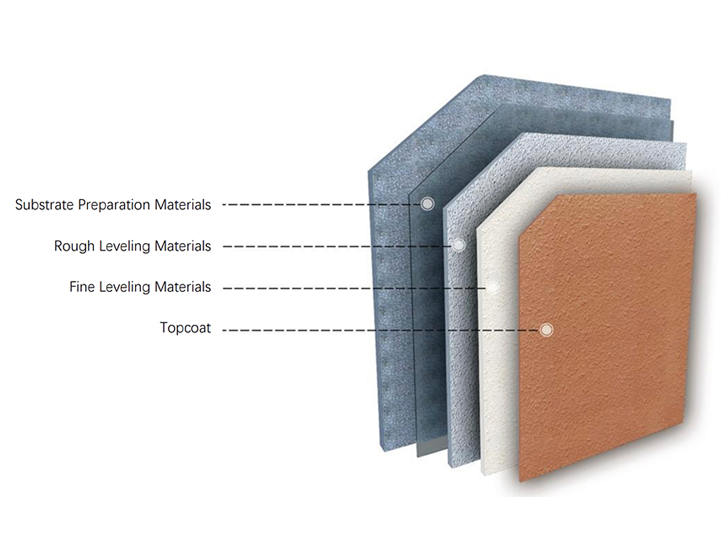
We present the Wall Coating System Hierarchy, encompassing a collection of complementary materials that comprise wall plastering compounds, water-resistant and mold-resistant putties, and water-based environmentally-friendly paints. This comprehensive system delivers a versatile painting solution for interior and exterior walls and indoor ceilings. Renowned for its ease of application, robust adhesion, and eco-conscious profile, this system ensures minimal post-construction shrinkage, safeguarding against concerns such as hollowing, cracking, and detachment. When applied indoors, this system contributes to a comfortable and health-promoting living environment by affording benefits such as sound insulation, heat retention, humidity regulation, and temperature control.









Interface treatment agent
Plastering Mortar
Skimcoat






Address


Telephone


