













 China
China
 Malaysia
 Cambodia
 Singapore
 Hong Kong
 USA
USA
 Mexico
Region/Language


Waterproofing for Data Centers: A growing market in Johor, Malaysia
As demand for cloud computing, artificial intelligence (AI), and digital services continues to grow, data centers have become one of the fastest-expanding infrastructure sectors worldwide. In Southeast Asia, Johor, Malaysia is rapidly emerging as a new digital infrastructure hub, creating opportunities not only for technology investors but also across the construction supply chain.
While industry attention often focuses on power capacity and cooling systems, one critical factor is frequently overlooked — waterproofing.
For data centers, waterproofing is more than part of the building envelope; it is a vital protection system that safeguards high-value equipment and ensures reliable, uninterrupted operations.
Data centers operate under near-zero-failure expectations, where even minor water intrusion can cause catastrophic downtime, equipment damage, data loss, operational penalties, and long-term corrosion. In Johor’s tropical climate, these risks are intensified by:
Heavy year-round rainfall and high humidity – increasing the risk of roof leaks, façade moisture penetration, underground water ingress, and condensation;
Groundwater and soil pressure – challenging basements, foundations, cable tunnels, and utility corridors;
Continuous thermal and mechanical stress – from high-density operations, cooling equipment, and roof-mounted systems.
Traditional waterproofing designed for standard buildings often fails under these conditions. To meet extreme uptime requirements—often exceeding 99.999% availability—developers prioritize long-life, high-reliability waterproofing systems.
OYH provides tailored solutions for these challenges:
HDPE Pre-applied Waterproofing Systems for slabs and underground walls, delivering one-layer, full-coverage waterproofing designed to last the building’s entire lifespan;
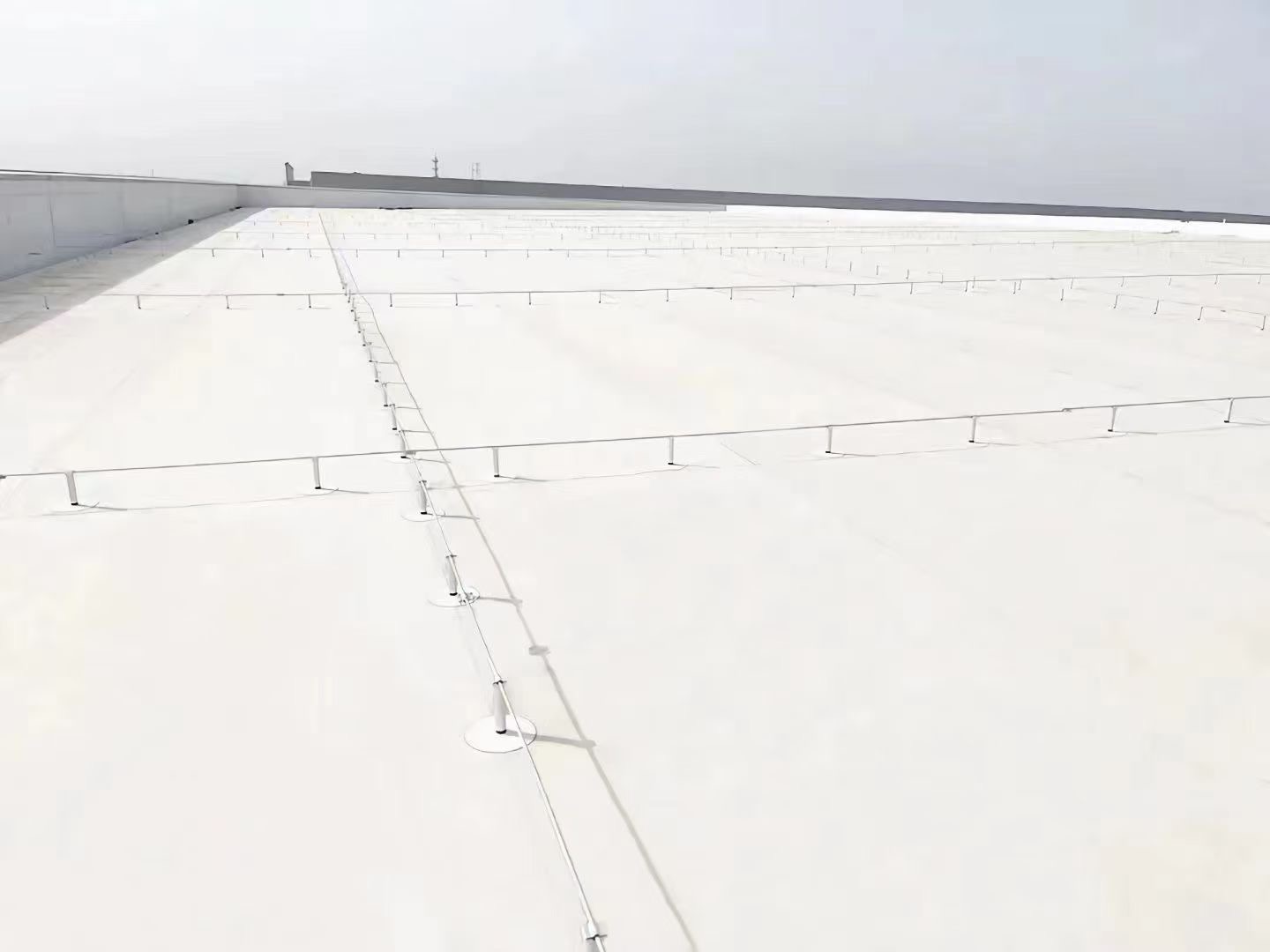
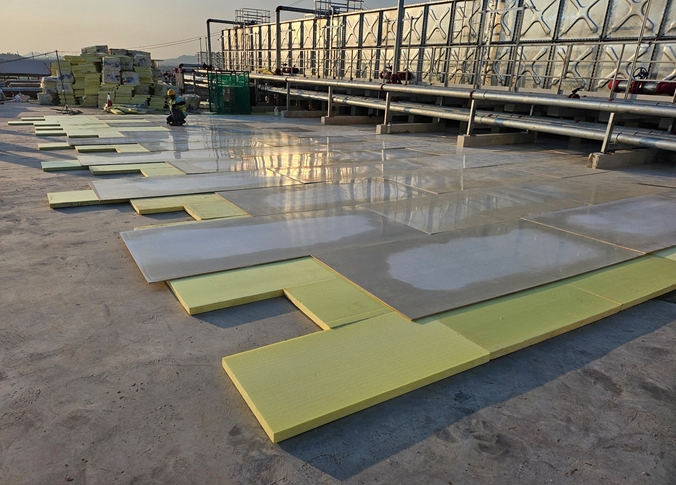
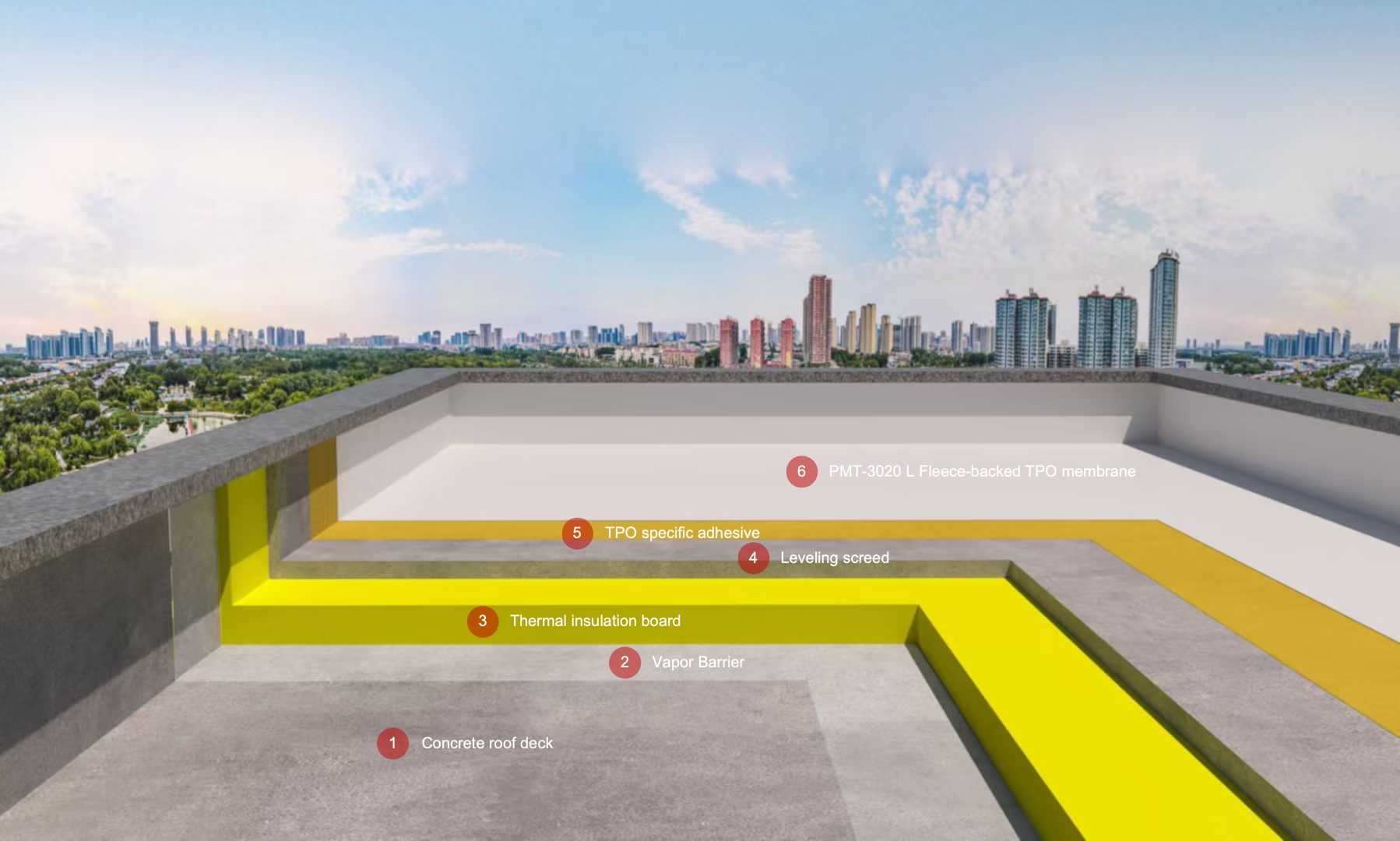
TPO Single-ply Roofing Systems including vapor barriers, insulation boards, and TPO membranes, offering long-term durability and reliable protection for sensitive equipment;
Integrated System Support ensuring compatibility, efficient installation, and consistent performance throughout design and construction.
These solutions ensure mission-critical protection for high-value assets, while minimizing lifecycle maintenance risks and supporting the safe, uninterrupted operation of modern data centers.
Underground structures such as foundation slabs and basement retaining walls represent one of the highest-risk areas for water ingress.
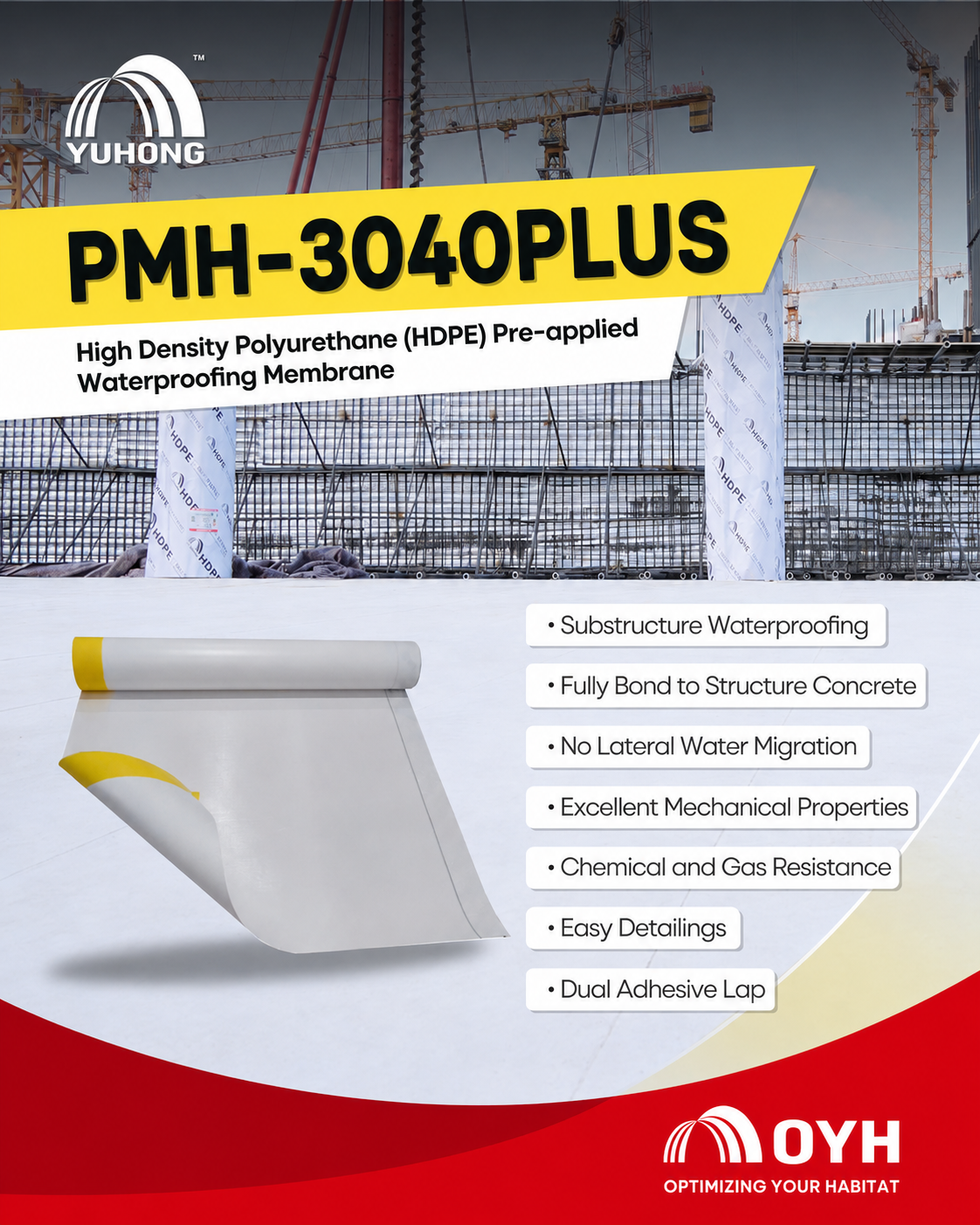
OYH’s HDPE pre-applied waterproofing membrane provides an effective solution for these critical zones.
Key advantages include:
Fully bonded system preventing lateral water migration
Suitable for foundation slabs and underground vertical walls
One-layer application achieving reliable waterproofing performance
Designed to last the same lifespan as the building — up to 100 years
By integrating waterproofing directly with the concrete structure, the system minimizes future maintenance risks and provides long-term protection for mission-critical facilities like data centers.
Data center roofs face continuous exposure to UV radiation, temperature variation, and heavy mechanical installations such as cooling equipment and solar systems.
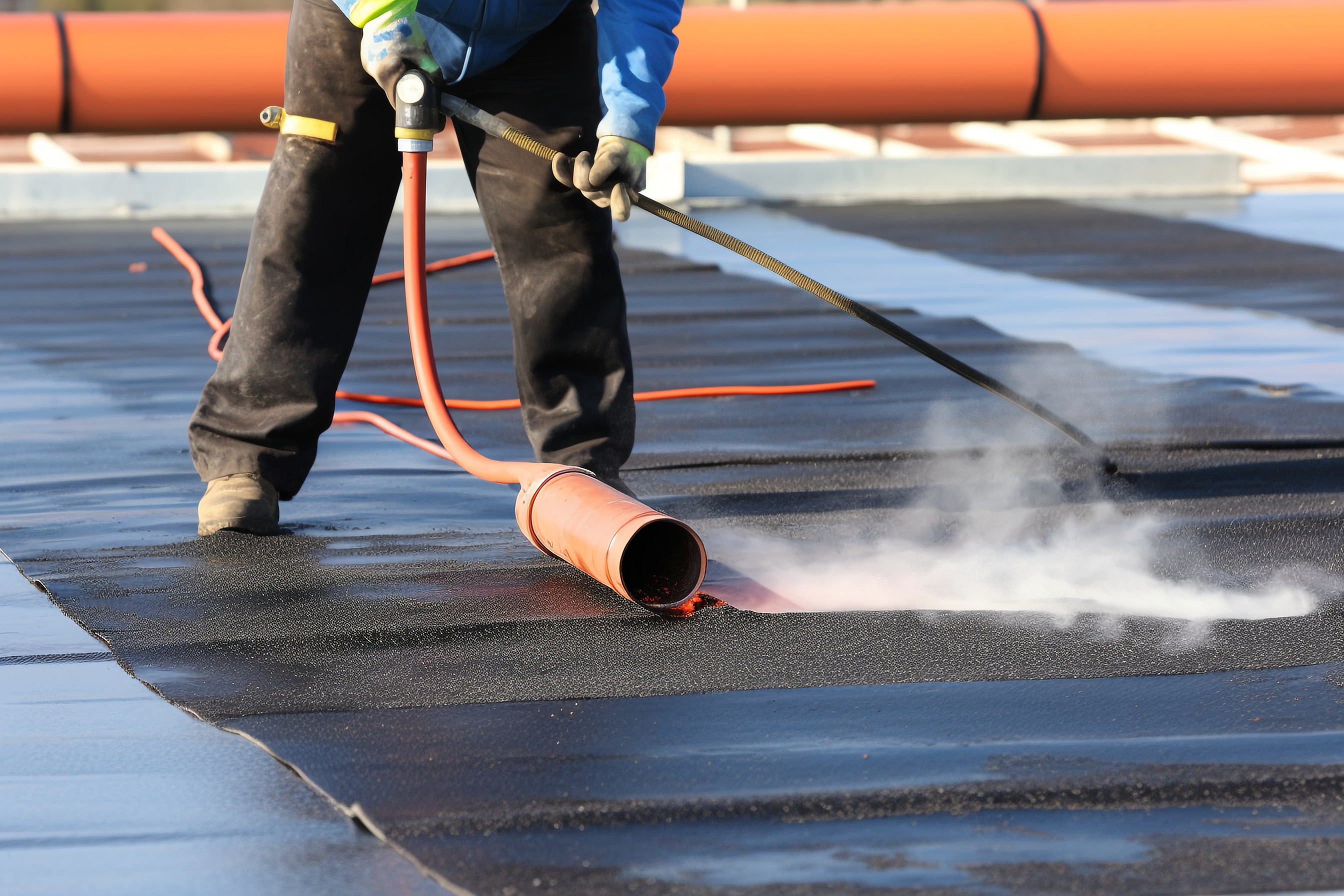
OYH offers a complete TPO single-ply roofing system, designed for durability and long-term performance.
System components include:
Vapor control layers for metal roof assemblies
Thermal insulation boards
High-performance TPO membranes
Fully compatible system accessories
The TPO membrane provides:
Excellent weather resistance and durability
Long service life with stable performance
Reliable waterproofing under demanding operational conditions
A well-designed roofing system helps protect sensitive electronic equipment inside the facility, ensuring stable environmental control and reducing lifecycle maintenance costs.
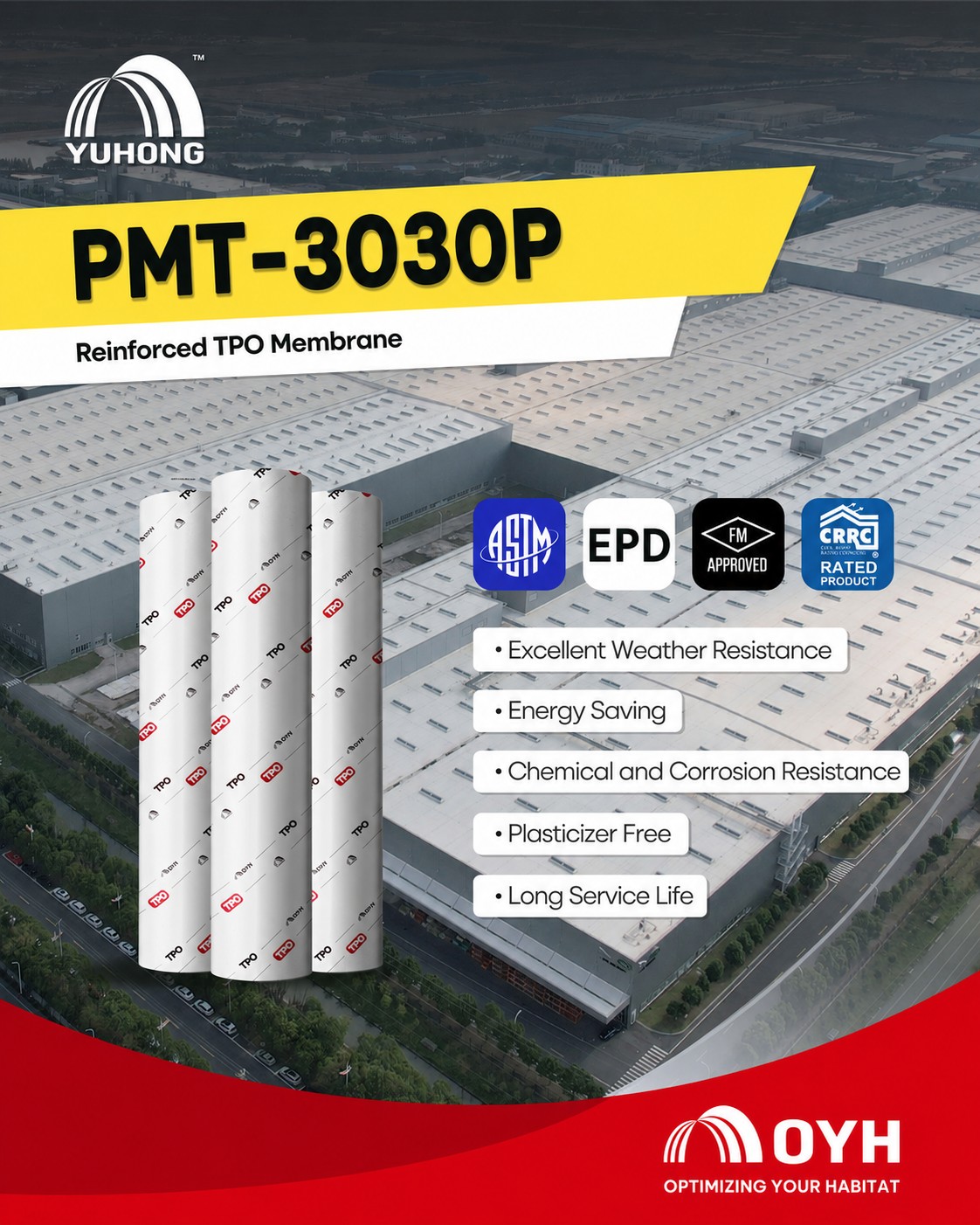
Modern data center developers increasingly prefer suppliers capable of delivering integrated waterproofing systems, rather than individual materials.
OYH provides:
Complete below-grade and roofing waterproofing solutions
System compatibility from vapor barrier to finished membrane
Proven manufacturing capability and global project experience
Technical support throughout design and construction stages
This system-based approach helps reduce installation risk, improve construction efficiency, and ensure consistent long-term performance.
As Johor continues its transformation into a regional digital infrastructure hub, construction standards are rising accordingly. Waterproofing solutions must now match the reliability expectations of mission-critical facilities.
From underground foundations to roofing systems, durable waterproofing plays a key role in protecting data centers — and the advanced technologies they house.
With long-life HDPE waterproofing systems and reliable TPO roofing solutions, OYH is well positioned to support the next generation of data center construction across Southeast Asia.
Explore Related News
July 13, 2026
July 13, 2026
July 13, 2026
July 13, 2026
July 13, 2026
July 14, 2026






Address


Telephone
More